
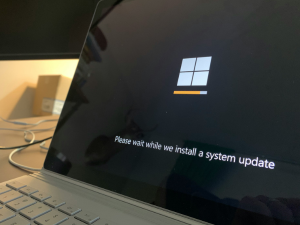
TLDR: Continuing to use Windows 10 after support has ended puts your business at higher risk for security breaches, compliance problems, and unexpected downtime. While your computers may still turn on and work, Microsoft is no longer providing protection behind the scenes. Planning an upgrade or transition now helps protect your systems, your data, and your ability to operate without disruption. A proactive approach is far safer and less expensive than reacting after a problem occurs.
A lot of businesses are still running Windows 10 today. In many cases, it is not because they chose to ignore updates, but because everything still seems to work fine. Employees can log in, applications open, and daily tasks get done. That can create a false sense of security.
The problem is that Windows 10 reaching end of support does not mean your computers suddenly stop working. It means the protection quietly stops in the background. That distinction is critical, especially for small and mid sized businesses that rely on stable and secure systems to operate.
We often see businesses assume they can wait until something breaks. Unfortunately, with unsupported operating systems, the first sign of trouble is often a security incident, not a warning message.
What End of Support Actually Means for Windows 10
When Microsoft ends support for an operating system, several important things stop happening.
First, there are no more security updates. Microsoft no longer patches newly discovered vulnerabilities. If hackers find a weakness, it stays open.
Second, bug fixes and reliability updates stop. Small issues that used to be corrected through updates can linger and slowly affect performance or stability.
Third, official Microsoft support ends. If something goes wrong and the root cause is the operating system, Microsoft will not assist with troubleshooting or resolution.
Windows 10 officially reached end of support on October 14, 2025. After that date, continuing to run Windows 10 means operating without a safety net.
The Security Risks Increase Immediately
Security is the biggest concern with unsupported operating systems. Cybercriminals actively look for systems that no longer receive updates because they are easier targets.
Once Windows 10 stopped receiving security patches, every newly discovered vulnerability became permanent. Attackers know this and often build automated tools to scan for outdated systems.
Common risks include:
- Malware infections that bypass outdated defenses
- Ransomware attacks that encrypt business data
- Credential theft that exposes email and network access
- Unauthorized access to customer or financial information
For businesses without a dedicated IT team, these risks are even higher. A single compromised workstation can be enough to spread an attack across an entire network.
If your business handles sensitive customer data, payment information, or internal records, the consequences of a breach can be severe.
Compliance and Liability Concerns for Businesses
Many industries have compliance requirements that expect systems to be kept up to date and secure. Running an unsupported operating system can put you out of compliance without you realizing it.
Cyber insurance providers are increasingly strict. If a claim is filed after a breach and investigators find unsupported systems, coverage may be reduced or denied.
Even if your business is not formally regulated, there is still liability exposure. Clients expect reasonable security practices. Using an operating system that no longer receives updates can be seen as neglect if data is compromised.
Operational & Productivity Risks Often Get Overlooked
Security is not the only concern. Unsupported operating systems also introduce day to day operational problems.
As software vendors move forward, many applications stop supporting older versions of Windows. Over time, you may notice:
- Accounting or line of business software refusing to update
- New hardware drivers not installing correctly
- Slower performance and unexplained crashes
- Compatibility issues with cloud services and security tools
These issues rarely happen all at once. They show up gradually and create frustration for employees who just want their tools to work.
Lost productivity adds up quickly. Even small delays across multiple employees can turn into significant operational costs.
The Hidden Costs of Staying on Windows 10

Some businesses delay upgrading because they want to avoid upfront costs. Ironically, staying on Windows 10 often ends up costing more in the long run.
Hidden costs include:
- Emergency IT support when systems fail
- Recovery expenses after malware or ransomware incidents
- Lost revenue during downtime
- Higher labor costs due to inefficient systems
- Forced hardware purchases during a crisis
Rushed upgrades are almost always more expensive than planned ones. When businesses wait until something breaks, they lose the ability to schedule, test, and control the transition.
What Businesses Should Do Next
The goal is not to panic. The goal is to plan.
The first step is understanding your current environment. That includes identifying which computers are still running Windows 10, whether they are compatible with newer versions of Windows, and what critical software they support.
From there, businesses should:
- Evaluate hardware readiness for Windows 11 or alternatives
- Identify systems that need replacement rather than upgrade
- Plan a phased rollout instead of a single cutover
- Schedule upgrades during low impact periods
- Ensure backups are current before any changes
This approach minimizes disruption and gives leadership clear visibility into timelines and costs.
Frequently Asked Questions
What happens if I keep using Windows 10 after support ends?
Your computer will continue to function, but it will no longer receive security updates, bug fixes, or official support. This increases the risk of cyberattacks and system issues over time.
Is it unsafe to run Windows 10 without updates?
Yes. Once updates stop, newly discovered vulnerabilities remain unpatched, making systems easier targets for malware and ransomware.
Do I need new computers to upgrade Windows?
Not always. Some systems can be upgraded, while older hardware may need replacement. An assessment helps determine the best path.
How long does a Windows upgrade typically take for a business?
It depends on the number of devices and complexity, but most upgrades can be completed with minimal disruption when planned properly.
Preparation Beats Panic Every Time
Windows 10 reaching end of support does not mean your business is suddenly in danger, but it does mean the clock is no longer on your side. Businesses that fare best are the ones that prepare early, understand their risks, and move forward with a clear plan. Waiting until a problem forces action often results in higher costs, added stress, and avoidable downtime. If you are unsure where your systems stand, now is the right time to get clarity.
If your business is still using Windows 10, Inland Productivity Solutions can help you evaluate your environment and plan a secure transition. Contact us today to schedule a consultation and take the guesswork out of protecting your systems.


